
Everything You Need to Know about Coconut Flour
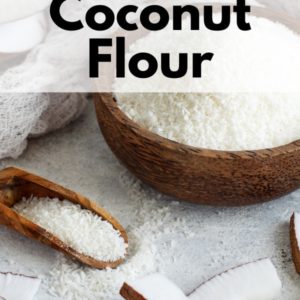
Coconut flour is a gluten-free, grain-free flour made from dried coconut pulp (or bought from the store). This guide covers what it is, how it tastes, how to make it at home, and which recipes you should use it in.
I’ve been cooking gluten-free and low-carb since 2006, but coconut flour took me a over a decade to understand! It’s more absorbent than any other flours I’ve used, and it’s frustrating that it doesn’t work as a 1:1 substitute for almond flour or gluten free flour. Over time, I started learning a lot through trial and error, and now coconut flour is one of the most useful ingredients we use! It’s grain-free, nut-free, has loads of fiber, and only about 4 net carbs in 2 tablespoons. Plus, it never comes out grainy the way some almond flour recipes do! So here’s exactly what it is, how to find the perfect ratio, my favorite recipes that use it, and even a guide to making it yourself!
What is Coconut Flour
Coconut Flour is made when dried coconut pulp (left over from making coconut milk) is ground into a fine powder. It is super absorbent and not a 1:1 substitute for any flours, so using it often requires specific recipes or a lot of trial and error. This flour is gluten-free, low-carb, paleo, nut-free, and easy to make!
It’s actually a great meal prep activity with no kitchen waste! Coconut (fresh or dried) has to be blended with liquid to create a pulp, and this pulp is what is dried and ground to make the flour. The liquid that comes from that pulp is coconut milk, a fantastic dairy-free ingredient! For more tips on how to store and use coconut milk, here’s a helpful post!
Is Coconut Flour gluten free? Is it low carb?
Yes, coconut flour is naturally grain free, gluten-free, and dairy-free (but you’ll always want to check the bag for cross contamination). It’s also low in carbs, and high in fiber, protein, and healthy fats. It’s also paleo, Whole30, and keto approved. In every two tablespoons of coconut flour, there are 9 grams of total carbohydrates and 5 grams of fiber, so you get 4 net carbs! It’s safe for people with nut allergies as well, making it an excellent, super helpful ingredient in most kitchens.
Can you substitute coconut flour with almond flour or wheat flour?
No, coconut flour is not a 1:1 substitute with almond flour or wheat flour. Because coconut flour is so absorbent, a recipe would usually need far less coconut flour than other flours (about 1/4th to 1/3rd) and more eggs (or whatever is being used to add moisture and act as a binder in the recipe). For example, this Air Fryer Brownie can be made with 3 tablespoons of almond flour OR 2.5 teaspoons of coconut flour.
What do you need to make coconut flour?
To make coconut flour, you actually make coconut milk as well! This easy meal prep project will give you two delicious, healthy ingredients to incorporate into your recipes this week. In the kitchen, you’ll need a blender, bowl, cheesecloth (or clean dish towel, shirt, whatever you want to use to separate the pulp from the milk), a baking pan, and an oven. The only ingredients you will need are dried, unsweetened coconut flakes and filtered water.
How to make coconut flour
- Add 2 cups of unsweetened, dried coconut flakes to the blender with 4 cups of hot water. Let it sit and soak for 10-30 minutes so the coconut softens.
- Blend for 4-5 minutes, making sure to pause and scrape down the sides of the blender every minute or so. You want it extremely smooth.
- Place a metal sieve over a bowl and line it with your cheesecloth. Slowly pour the liquid in, pausing occasionally while gravity filters the pulp from the coconut milk.
- Once it looks like the liquid has made it through the cheesecloth, carefully pick it up, bringing the corners together to make a little pouch of coconut pulp. Gently squeeze to release as much moisture as possible into the bowl of coconut milk. REALLY squeeze it as this will save you a lot of baking time!
- Set aside the coconut milk (it’ll keep in the fridge for 5 days). Spread your pulp out on a rimmed baking sheet while your oven preheats to its lowest setting (for me, that was 170 degrees F)
- Cook until the has completely dried, occasionally pulling it out to stir or shake it so every little bit is dried out. This can take anywhere from 45 minutes to several hours… It all depends on your stove, the air flow, and how spaced out your pulp is on the baking sheet.
- Once completely dry, transfer the pulp to a blender (IT MUST BE CLEAN AND DRY), then pulse until it forms a fine powder. Store in an airtight container for 3-4 months in the pantry or up to 6 months in the refrigerator.
How to store coconut flour
If your coconut flour is completely dry, it should last about a year and a half in an airtight container in the pantry. You don’t have to store it in the freezer or fridge for freshness, saving you more space! If there is any moisture remaining in the flour, though, it will mold very quickly.
Does coconut flour taste like coconuts?
A little, yes. It is slightly sweet and smells a little bit of coconut, but it’s not particularly overwhelming. Even my coconut-hating sister enjoys baked goods made with coconut flour as long as there are other flavors involved. If you are incorporating any strong flavors (like chocolate/cocoa, peanut butter, cheeses, etc.), the coconut flavor doesn’t compete for attention.
Coconut Flour FAQs
For every 2 cups of coconut flakes, you will get about 1 cup of coconut flour and 4 cups of coconut milk.
This mostly depends on your location and product availability. Here, I can find coconut flour for $3-9 a pound (very wide range, I know!). Fresh coconuts can be difficult to find, small, and run $3-4 a piece. Unsweetened coconut flakes run about $6 a pound. If you also plan to use your coconut milk, it’s a great way to stretch that grocery budget!
No, coconut flour is already dried and ready to consume! However, it is extremely dry, so you’ll notice very quickly that you don’t want to eat it raw.
You can, you just have to get the ratio correct. You will likely need 3-4 times as much almond flour, and you may need to use fewer eggs. Check the substitution section for more details.
Coconut Flour Recipes
Because coconut flour is SO absorbent, it can be intimidating to work with! However, I’ve tested these recipes again and again, and they are my all-time favorite recipes using coconut flour!
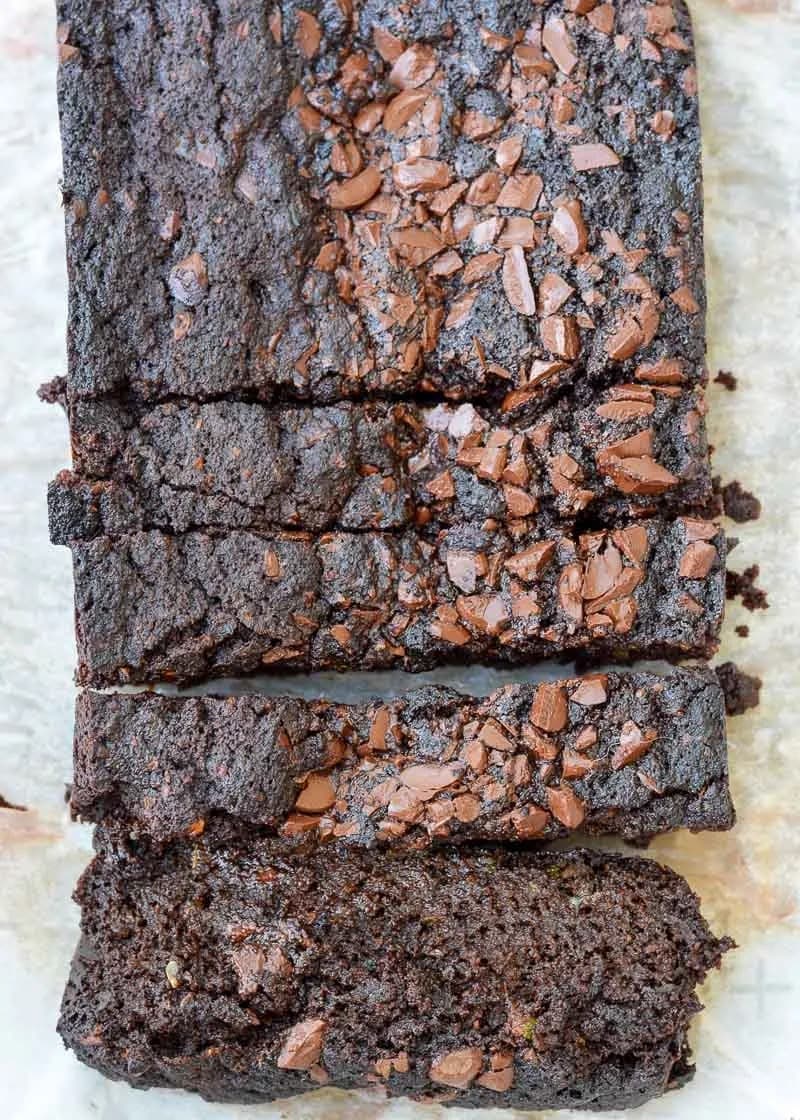
Keto Zucchini Bread
Coconut flour is the IDEAL ingredient when baking zucchini! Combine its super absorbent power with the very moisture-heavy zucchini, and you have a fluffy, delicious match made in heaven. This Keto Zucchini Bread is wonderfully chocolaty, moist, and soft… And under 4 net carbs per slice, too!
Breakfast Bites
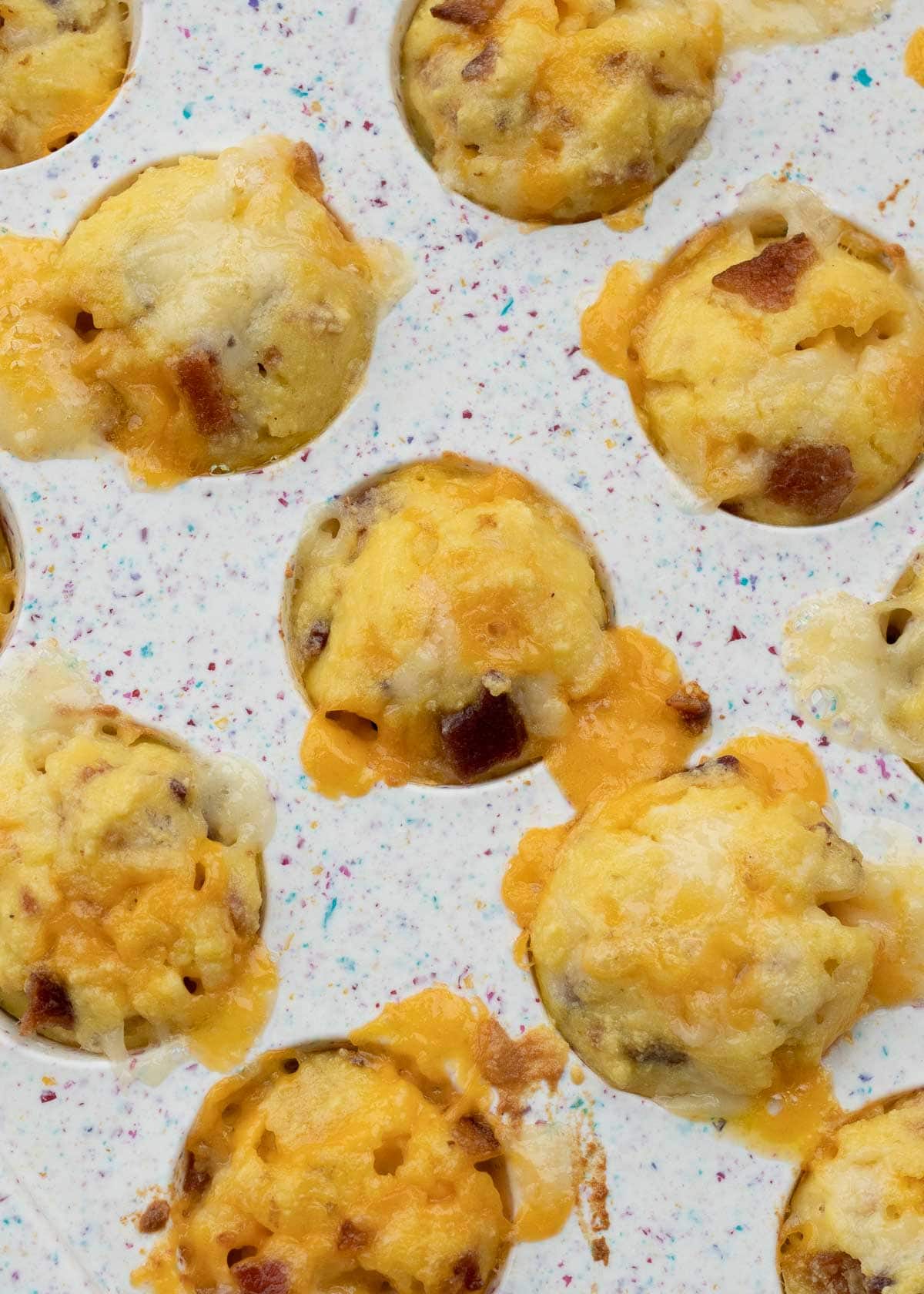
These keto egg bites are made nice, light, and fluffy with coconut flour! Try them with bacon or ham, too! You’ll love how convenient they are, especially since these low-carb breakfast bites are freezer friendly!

Peanut Butter Balls
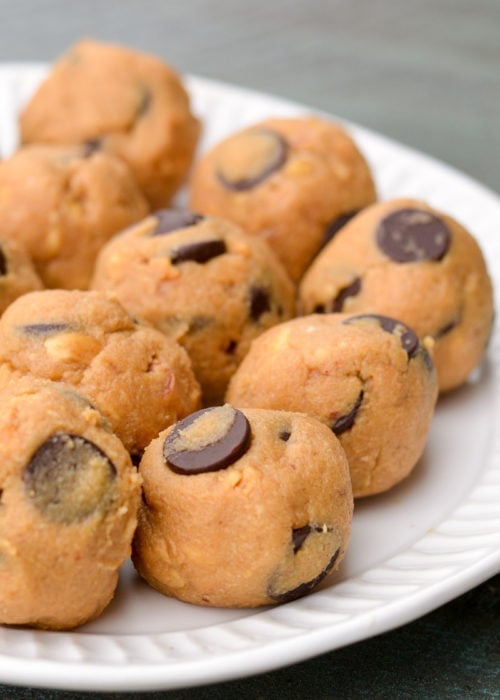
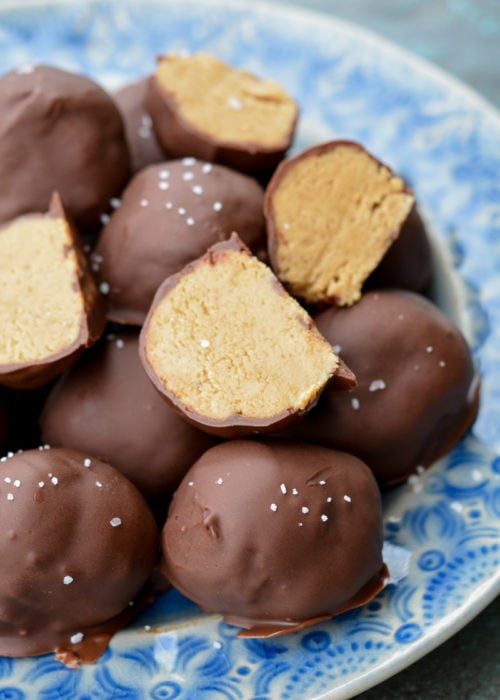
I used to love Chocolate Peanut Butter Balls as a kid! This keto version uses coconut flour and a sugar-free caramel sauce to keep the sweet, smooth texture without all the carbs. If you like a version dipped in chocolate instead, this Peanut Butter Balls recipe is a low carb version of homemade buckeye candy!
Coconut Flour Muffins
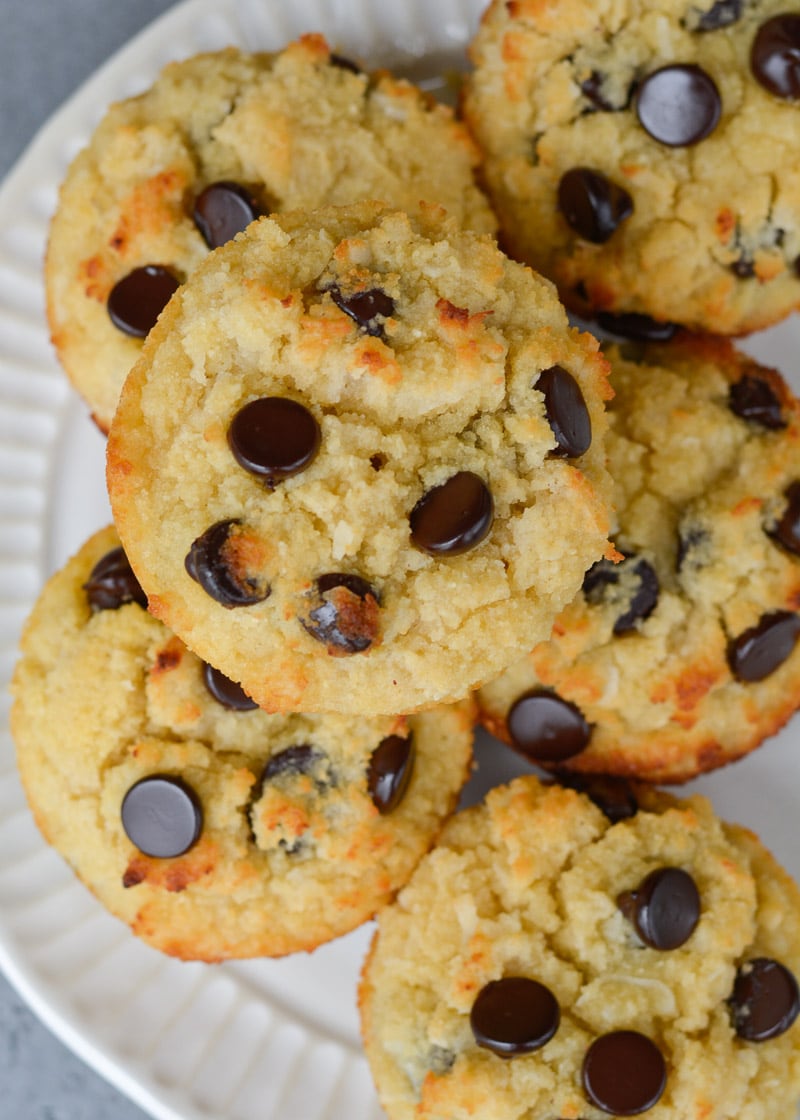
These are the BEST Coconut Flour Muffins! These large bakery-style muffins are perfectly buttery and light. You can easily meal prep these for breakfast all week long — Under 5 net carbs each!
Cookies
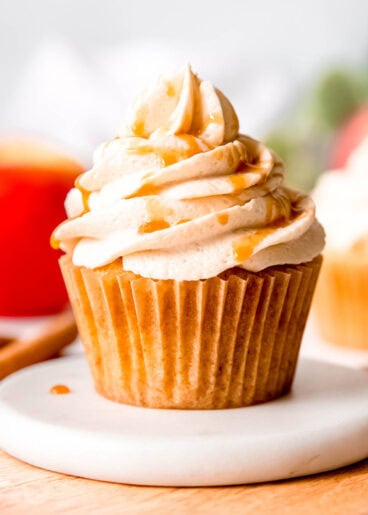
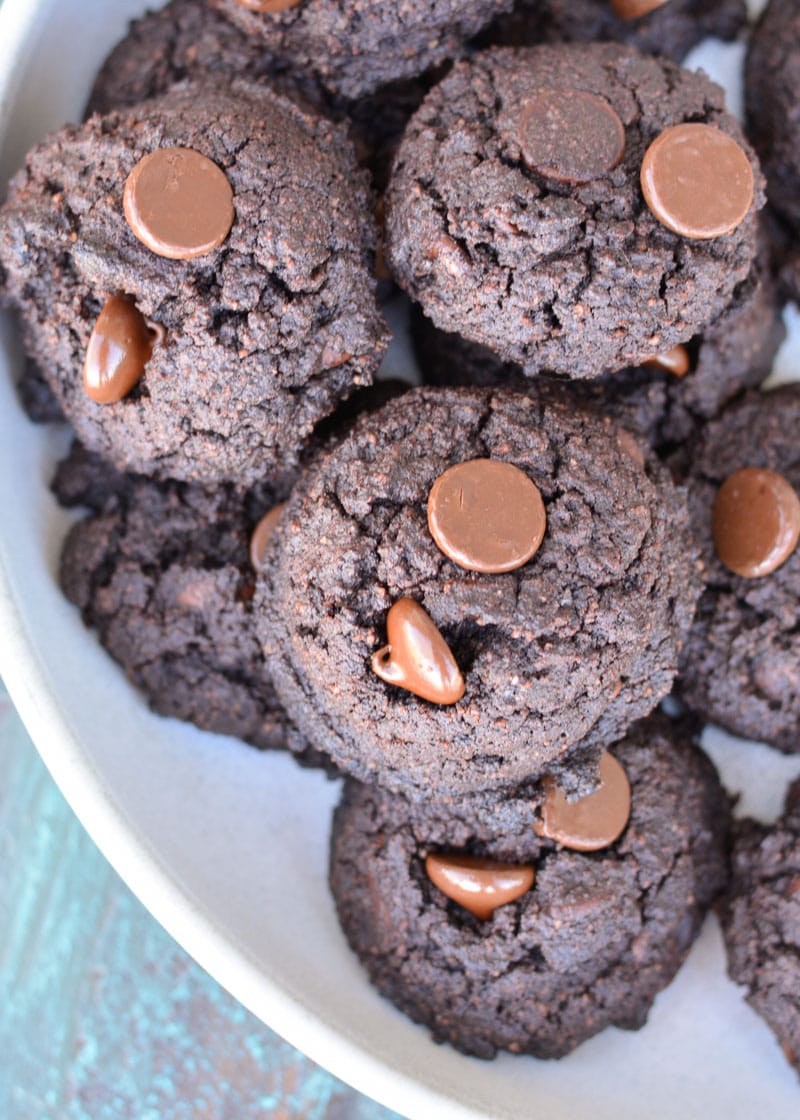
You will LOVE these Keto Chocolate Cookies using coconut flour! Fluffy, sweet, gluten-free, grain-free, nut-free, and just 1.4 net carbs apiece! The hardest part is letting them cool completely before moving… It’s so tempting, but they stay together best if you are patient.
Snack Bites
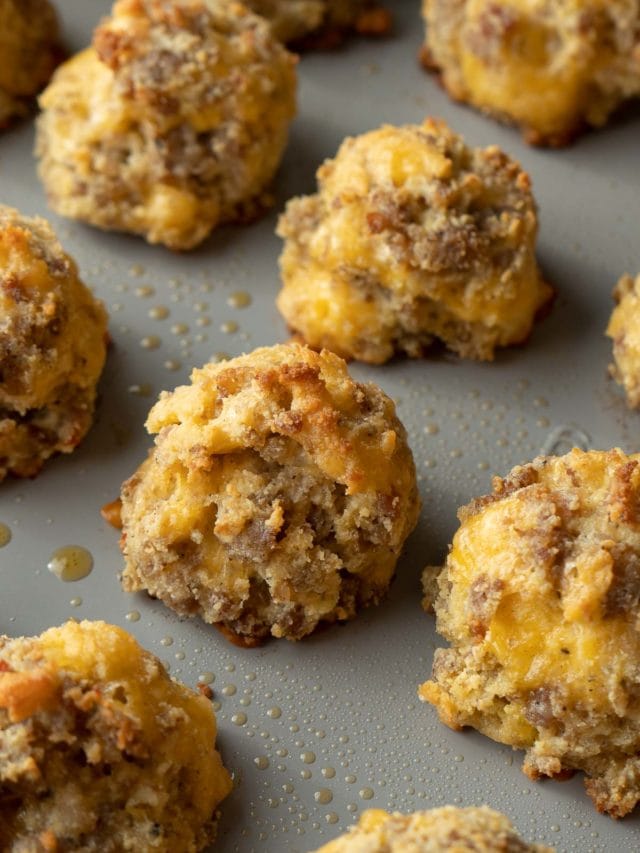
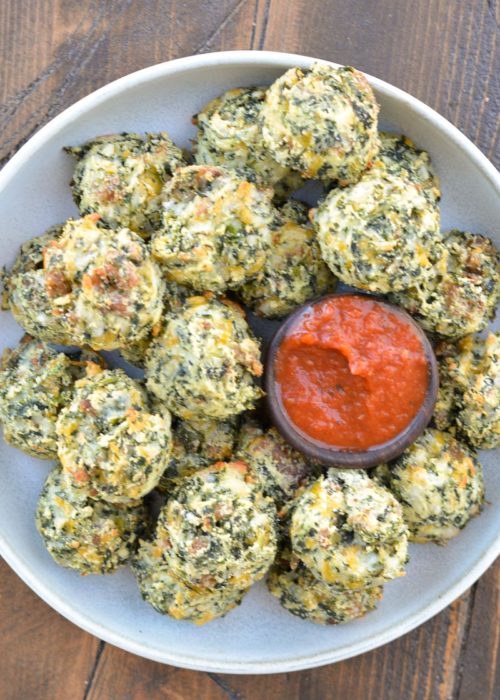
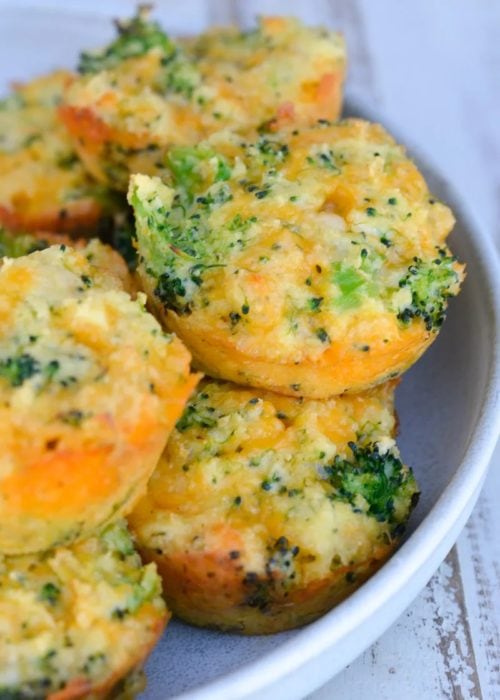
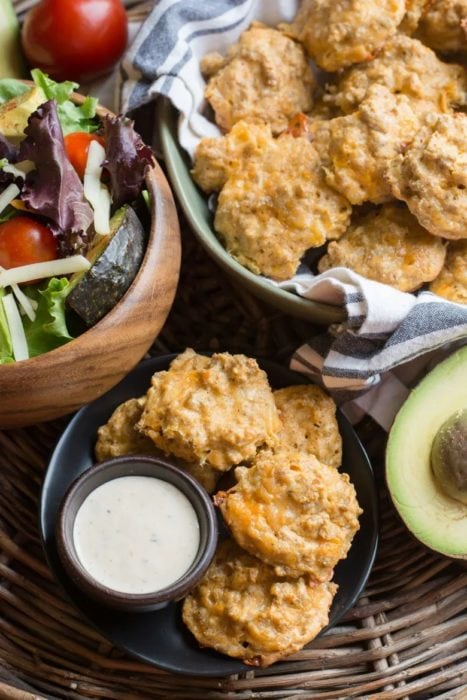
Easy snack bites are SO convenient! Making a thick dough with with cheese and a vegetable or meat is the perfect meal prep idea. We love dipping these Spinach and Cheese Bites in marinara sauce, and the Broccoli Cheddar Muffins are the BEST side with tomato soup! This Taco Bite recipe is a great way to use up leftover meat for a delicious lunch, too. If you’re overwhelmed with fresh summer zucchini, use coconut flour to make the perfect gluten-free Zucchini Fritters!
Brownies
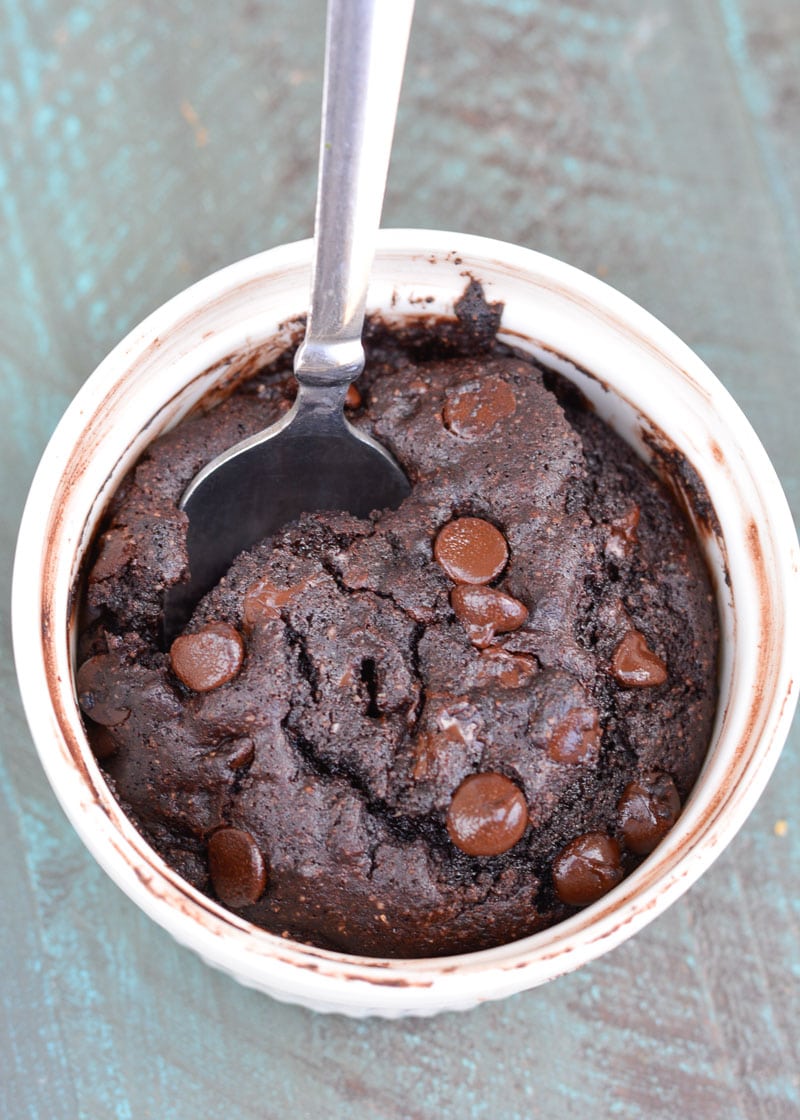
If you love a fudgy, moist brownie but can’t resist the temptation of a whole pan, this Air Fryer Brownie is perfect for you! Just a few tablespoons of coconut flour turn this brownie into a super quick, low-carb, gluten-free dream.
Cheesecake
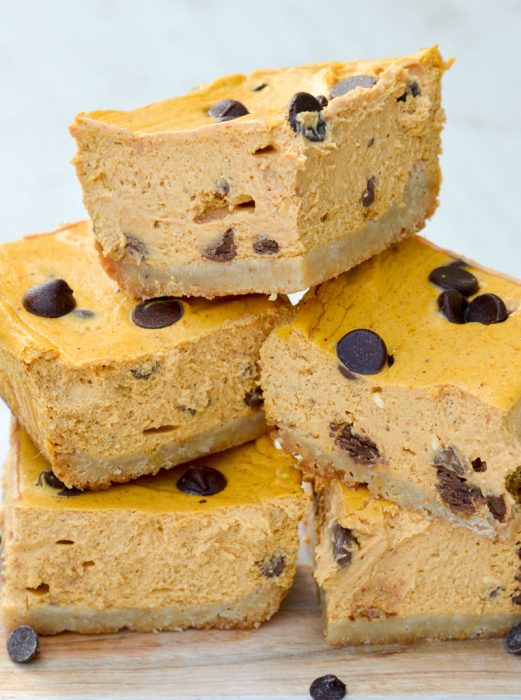
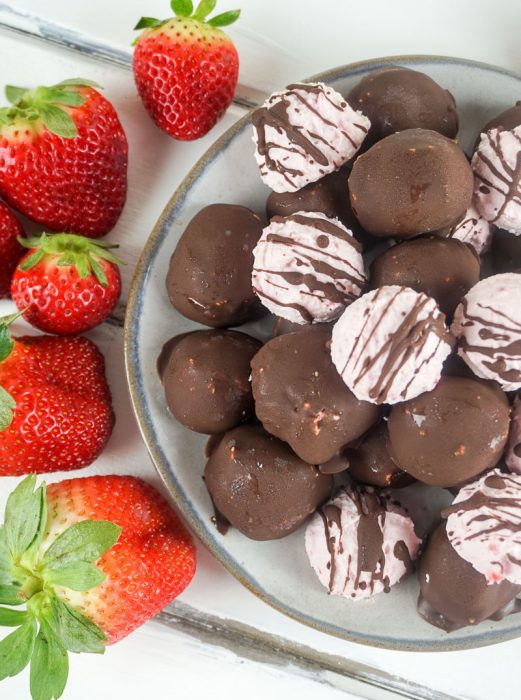
The key to the perfect cheesecake is the amazingly smooth and creamy mixture! Coconut flour is so fine and absorbent, it is the perfect low-carb flour to mix in for a velvety texture. You can see the delicious results in either these Keto Pumpkin Cheesecake Bars, these Strawberry Cheesecake Truffles, or the holiday-ready Pumpkin Cheesecake Truffles!
Get the Recipe: How to Make Coconut Flour
Ingredients
- 2 cups dried, unsweetened coconut flakes
- 4 cups filtered water
Equipment
- sieve
- cheesecloth
Instructions
Make Coconut Milk + Pulp
- Place coconut flakes and water in the blender. Soak for 10-30 minutes.
- Blend for 4-5 minutes, pausing and scraping down the sides of the blender every minute.
- Place a sieve (lined with cheesecloth) over a bowl and carefully pour the liquid in. This separates the milk from the pulp. Gather the 4 corners of the cheesecloth together, pick it up, and squeeze as much liquid as you can out of it.
To Make Coconut Flour
- Preheat oven to its lowest setting (for me, that was 170 degrees F)
- After making coconut milk, spread the leftover pulp out on a baking sheet, separating as much as you can so that it dries out quicker.
- Cook until completely dried, occasionally stirring, mixing, or shaking to help promote air flow. Depending on your oven settings and the amount of liquid initially squeezed from the pulp, this may take from 45 minutes to a few hours.
- When COMPLETELY dry, allow the pulp to cool on the countertop. Once it feels cool to the touch and crumbles (not clumps) transfer the dried coconut pulp to a DRY blender and pulse until ground into a fine powder.
Notes
- You know the pulp is completely dry and ready to blend when it crumbles in your hands instead of clumping up. It should feel sandy and be cool to the touch.
- If you do not allow the pulp to cool completely, the heat can turn into condensation in the blender, which will then re-wet your coconut (and likely leading to mold during storage).
- Coconut flour should last 3-4 months in the pantry or 6 months in the fridge.